CO2 monitors have a wide range of applications. Most importantly, they improve living conditions and protect lives.
However, CO2 monitors also carry a lot of process benefits. On top of ensuring animal welfare, CO2 monitors can help you meet legal guidelines. Additionally, they help to ensure optimal efficiency.

CO2 monitoring in poultry coups
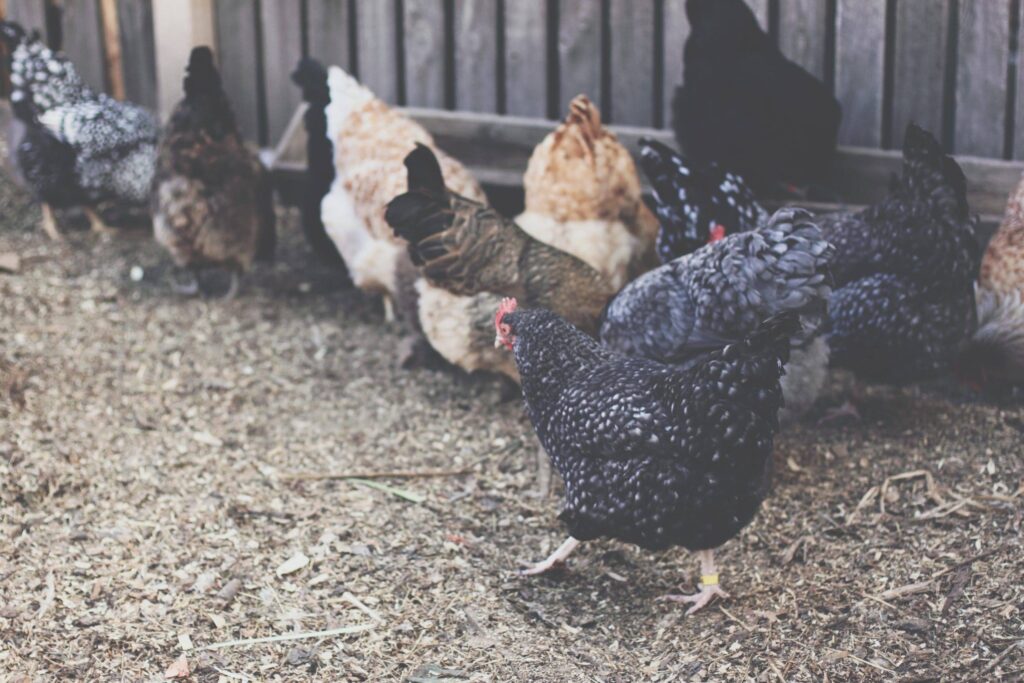
We can apply the use of CO2 monitors in poultry farming. For example, CO2 monitors can monitor levels within coups and chicken housing.
As the birds respire, like all animals, they produce CO2. When chickens are kept in large numbers, this CO2 can build quite rapidly.
Left unchecked, this could reach levels which are harmful to life. This can not only make living conditions extremely uncomfortable for the livestock as they struggle to breathe but also result in loss of life.
This is obviously good for neither the animals nor the farmers. The RSPCA has its own set of firm guidelines for poultry farming. Following these guidelines can qualify farmers for RSPCA labelling and set them apart.
Under these guidelines, CO2 concentrations within housing environments are not permitted to rise above 3,000 ppm, which is the level at which the gas poses a threat to the wellbeing of the birds.

The solution
The solution to this problem is ventilation, which is conducted using either natural air flow or through the use of fans. It is mandated by law in the UK that indoor chicken housing must operate automated ventilation systems, with alarm systems to notify of failures.
Timers often control these systems, however making use of CO2 monitoring systems to control them would ensure that the systems are only in use when needed, increasing efficiency and reducing carbon footprints associated with energy usage.
Monitoring CO2 levels, therefore, can ensure higher standards of animal welfare, increase efficiency and reduce environmental impact as well as helping farmers meet legal standards.
Our CO2 monitoring systems can help

To browse our industry-leading range of CO2 sensors and transmitters, click here.