The refrigeration industry is on the cusp of a transformative era, driven by the need for environmentally friendly solutions. As concerns about climate change escalate, the focus is shifting towards innovative refrigerants that promise enhanced efficiency and reduced environmental impact.
Regulations have been, and will be introduced to drive the use of lower GWP refrigerants:
2022: Ban on the use of virgin refrigerants with GWP greater than 150 in new hermetically sealed commercial refrigeration equipment with a capacity of 40kW or more. Refrigerant affected R134a
2025: Ban on the use of virgin refrigerants with GWP greater than 750 in the installation of single split air conditioning systems where the charge size is less than 3kg.
Refrigerants affected R134a, R407C, R410A
2030: Ban on the use of reclaimed refrigerants with a GWP greater than 2500 to service equipment where the charge size is greater than 40T CO2 equivalent (approximately 10kg of R404A).
Refrigerants affected R404a, R507
R454B or R32 can replace R410A
R422D and R444B can replace R407C as well as R454B
R1234yf and R1234ze can replace R134a, also R450A,R513A and R 152A
R 454C, R455A, R448A, R449A and R452A will replace R404a
Residential, commercial, and Industrial refrigerant usage will change:
In residential settings: Hydrofluorocarbons (HFCs), commonly used in many household appliances and domestic AC systems, are potent greenhouse gases. R410a, R 134a, and R407c refrigerants with GWPs over 1000 will be replaced by R32 which not only has a lower GWP of 677 but also is more efficient, providing a better heating performance at lower ambient temperatures and using less refrigerant per kilowatt of capacity delivered.
The industry continues to explore alternatives like hydrocarbons, ammonia, and new-generation HFOs that offer even lower global warming potential (GWP) than the likes of R32.
Commercial Refrigerants: In the commercial sector, especially in supermarkets and cold storage facilities, the transition to more sustainable refrigerants is underway. Carbon dioxide (CO2) is emerging as a popular choice due to its low environmental impact and excellent thermodynamic properties.
Additionally, low-GWP HFOs are being integrated into commercial cooling systems, often within a refrigerant blend, these next-generation HFOs, exemplified by refrigerants like R1234yf and R1234ze, strike a balance between performance and environmental impact.
Industrial Refrigerants: In the industrial landscape, where refrigeration plays a crucial role in various processes; electricity production, chemical and pharmaceutical production, storage of biological samples, and precision engineering of metal components, the transition towards more sustainable refrigerants is complex but imperative. Ammonia, with its zero GWP and long-standing track record of efficiency, is gaining renewed attention but challenges like toxicity and flammability associated with ammonia are pushing researchers to explore alternatives. Some are looking into natural refrigerants like CO2, while others are focusing on developing advanced synthetic refrigerants that offer a balance between safety, efficiency, and environmental impact.
It is not only important to switch to using lower GWP refrigerants but also to ensure their containment. Leak detection through routine checks or continuous monitoring with real-time alerts can help in identifying and addressing issues promptly to mitigate their environmental impact and also save energy and costs:
- Environmental Concerns: Detecting and repairing refrigerant leaks are essential to prevent the release of these substances into the atmosphere and mitigate their environmental impact.
- Regulatory Compliance: Governments and international bodies are implementing and tightening regulations to reduce the use of high-global-warming-potential (GWP) refrigerants. failure to address leaks can lead to penalties and fines.
- Energy Efficiency: Detecting and repairing leaks promptly helps maintain system efficiency and reduces energy waste.
- Cost Savings: Addressing refrigerant leaks early on can prevent more significant and costly system failures. Regular leak detection and maintenance contribute to the longevity of equipment.
- Safety: Some refrigerants are flammable or pose health risks in high concentrations. Leak detection ensures the safety of occupants and workers.
- Technological Advancements: Advances in sensor technologies and monitoring systems make it easier and more cost-effective to detect refrigerant leaks. Continuous monitoring and real-time alerts can help in identifying and addressing issues promptly.
Refrigerant sensors and detectors available through Omnisensors and Transmitters.
We offer a selection of sensors based on different measurement technologies. These sensors have different attributes in terms of cost, additional electronics and development work required to prepare the sensor for sale, lifetime, accuracy, and cross-interference.
NDIR – Non dispersive Infrared
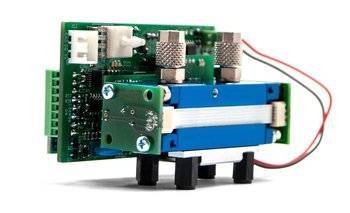
SmartGAS diffusion sensors; pre-calibrated for a specific refrigerant..HC, HFC or CO2. They offer the advantage of being ready for use, stable, accurate and long-lived. One variant, the broadband NDIR can be used for multiple refrigerants should changes occur. New calibrations can be installed by entering given calibration factors. These sensors are ready to use and can be purchased as a transmitter with analogue outputs, as a connect sensor module with analogue outputs or as a sensor with modbus RTU or ASCII digital outputs.
We also offer a SmartGAS flow sensor, and a Figaro compact diffusion CO2 sensor.

MOS – Metal Oxide Semiconductor
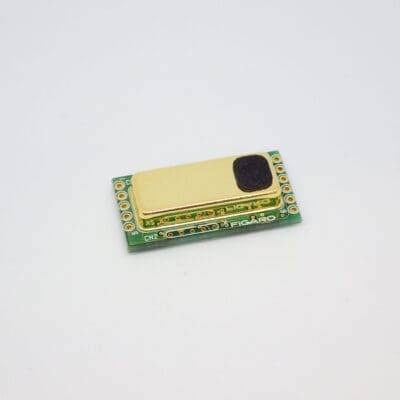
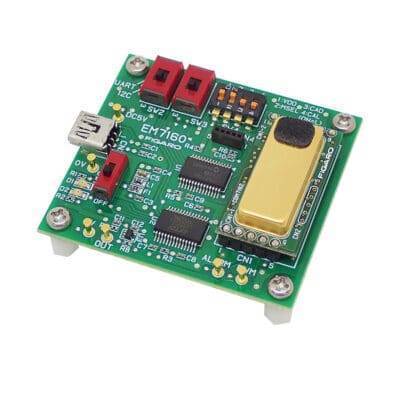
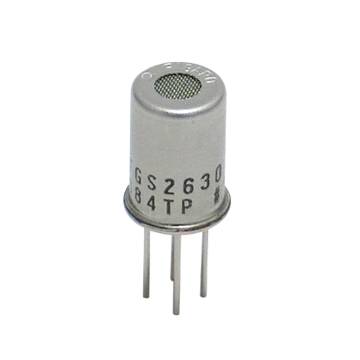
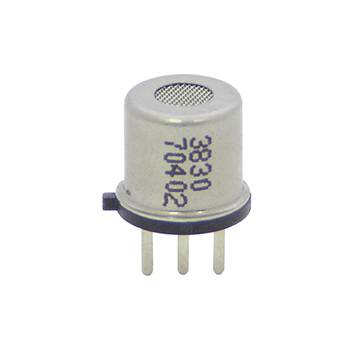
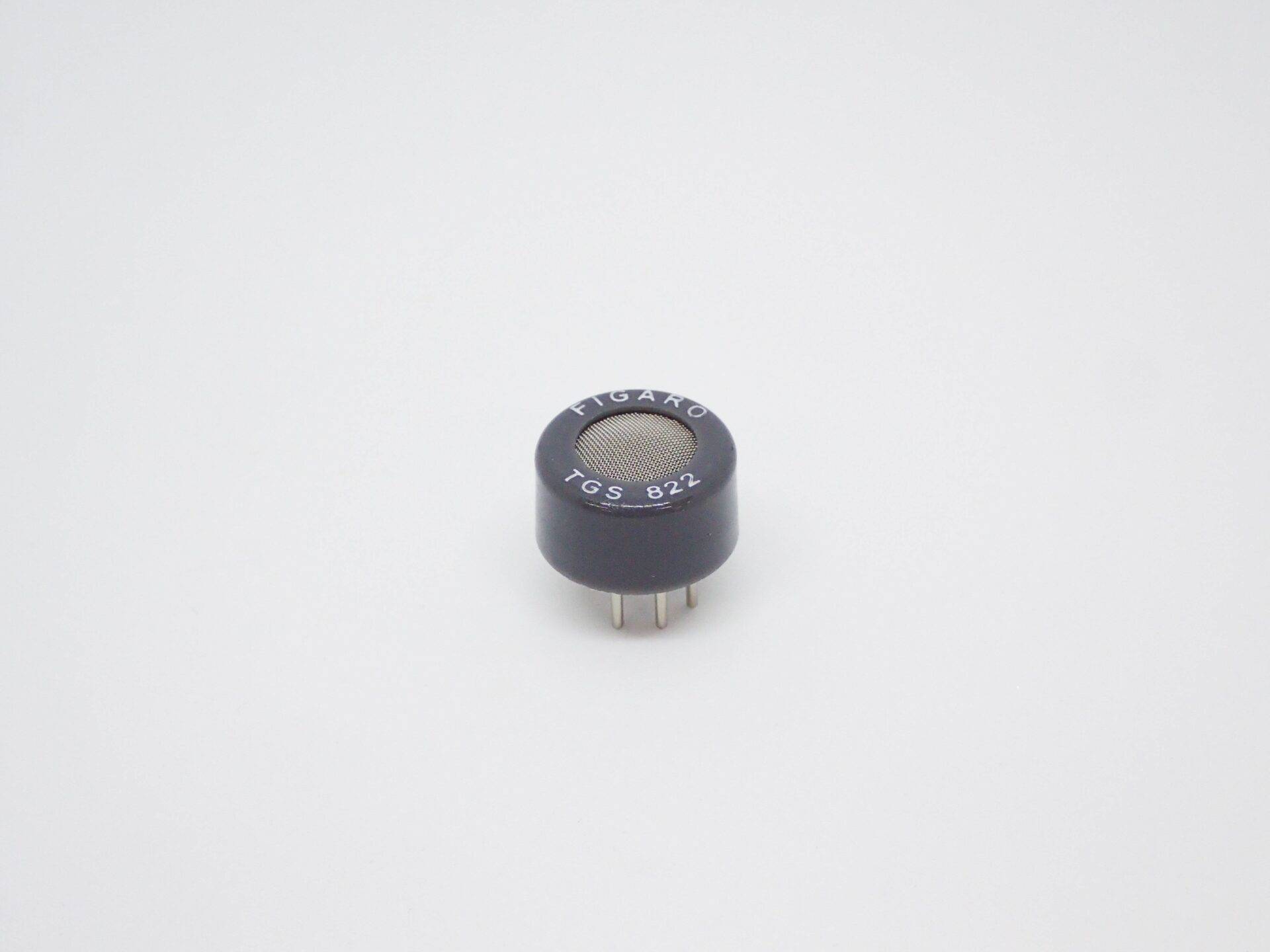
There are currently 3 options available through Figaro; TGS 2630, TGS 3830 and TGS 832-A00 As only the sensor and test boards are available, development work including PCB design is the responsibility of OEMs or end-users.
Metal oxide semi conductor sensors are low cost, sensitive and quick to respond but they are temperature and humidity dependent and not as selective as some other sensor types.
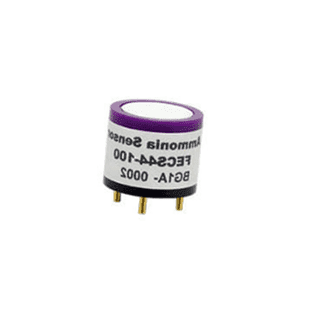
Electrochemical – This is only available for ammonia, NH3. Electrochemical sensors are selective, stable, provide a linear response and have > 2 years life. Although the LEL explosive limit is up at 15% NH3, leak detection is at significantly lower levels, 25 ppm, due to occupational exposure limits.
MPS – Molecular Property Spectrometer
This sensor is unaffected by short or long-term fluctuations in temperature and relative humidity, It’s stable over the years ( 6 years proven by empirical testing) and its operation is not compromised by dust/particulates
It has a Fast response, T90 < 8s which beats NDIR (perfusion),mos sensors, and electrochemical sensors, is low in mass (8g), requires little power.. 8.9mA on average, and has an exceptional long lifetime.
Added to the above features are its immunity to poisoning, built-in fail-safe operation and zero requirement for calibration which makes it ideal for use:
- in inaccessible locations
- installations subject to fluctuations in temperature and relative humidity
- when customers want/ will pay for a maintenance-free solution
MPS sensors are cost-effective due to their longevity and zero maintenance requirement.