
Lead is just one of several heavy metals present in electronic waste which is known to adversely affect the environment and human health. The majority of E-waste in Europe is not recycled, it is transported to landfill sites resulting in contaminated soil and groundwater since it doesn’t bio-degrade. A high volume of electronic waste is shipped to developing countries where precious metal recovery processes result in an even greater release of toxic lead into the environment due to less stringent controls.
Lead accumulation causes a loss in biodiversity, a reduction in growth and reproduction rates in plants and animals, also serious health conditions and neurological disorders in vertebrates.
The RoHS Directive aims to prevent the risks posed to human health and the environment related to the management of electronic and electrical waste. It currently restricts the use of lead in electronics excepting lead anodes in electrochemical oxygen sensors used in Industrial Monitoring and Control Instruments (IMCI). The exemption is due to expire on July 21, 2025 but this date may be revised.
Figaro/ Maxell have developed lead-free equivalents for their existing galvanic KE25 series and have also introduced a series 4 lead-free potentiostatic sensor providing us with the means to RESPOND NOW TO IMPROVE OUR ENVIRONMENT.

*KE-LF series: Sensor’s specs vary depending on the model No.
Oxygen Sensor Applications
Due to their different specifications and features, the two types of lead-free oxygen sensors in Figaro’s range lend themselves to certain applications. The applications mentioned below provide examples of where lead-free oxygen sensors can be employed.

Combustion Monitoring
KE-LF series: Furnaces and power plants ( waste incineration plants and large coal-fired combustion plants) use flue gas oxygen sensors to monitor oxygen levels in stacks using a by-pass measurement solution. Once the oxygen level in the exhaust gas is known, the fuel level can be increased or decreased to maximise burning.
TGS 4260: Forced-air or boiler furnaces are used in residential/ commercial buildings. Gas or oil and air are ignited inside a combustion chamber. A heat exchanger transfers the heat from the combustion chamber to fresh air that is circulated throughout the building or in the case of boiler furnaces to water that is circulated as steam in pipes. Too much fuel or too much air (oxygen) lowers the energy efficiency of the furnace, and can increase the amount of NOx and carbon monoxide gas molecules formed. In residential furnaces, optimum fuel-air ratio results in the oxygen level being reduced from 21% (fresh air) to between 8.5-10% oxygen by volume. A combustion analyser is used to measure O2 in the flue exhaust gas and uses this to control the ratio of fuel and air released into the combustion chamber.

Energy Production – BIOGAS
KE-LF and TGS 4260: Biogas is a gaseous renewable energy source produced from raw materials such as municipal waste, food waste, green and agricultural waste, manure, sewage and waste water.
Biogas processes involve the breakdown of organic material by bacteria in an anaerobic environment. Methane (50–75%), carbon dioxide (25–50%), small amounts of nitrogen (2–8%), trace levels of hydrogen sulphide, ammonia, hydrogen, and volatile organic compounds are also present in biogas depending on the feedstock.
Oxygen is measured to ensure safe transport of the biogas through pipelines and anaerobic activity. Oxygen content is required to be less than 2%.
Food
KE-LF series
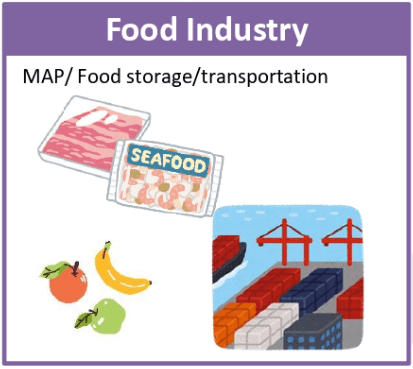
Modified atmosphere packaging (MAP) is the process of removing all or most of the oxygen from inside the packaging of foods, drinks and pharmaceuticals to increase shelf-life. Minimising the oxygen levels prevents oxidation and its adverse effects on the colour, flavour and texture of the packaged contents. A MAP oxygen analyser is used to confirm oxygen levels in the packaging gas or as a headspace analyser for random checks.
Like MAP, oxygen sensors are used in controlled atmosphere storage (CAS) to verify the oxygen levels in bulk food storage containers or grain silos and during the storage and transport of certain fruits and vegetables post-harvesting. Low oxygen levels can be used to extend the life of stored bulk foods and fresh produce.

Safety
KE-LF and TGS 4260
Oxygen deficiency monitors continuously monitor oxygen levels to ensure workers’ safety when operating in confined space environments such as silos, storage containers, tanks, underground tunnels and hypoxic environments, e.g. chambers for the rehab of athletes, medical research and MRI facilities where both patients and health workers could be exposed to reduced O2 levels in the event of a helium coolant leak.


