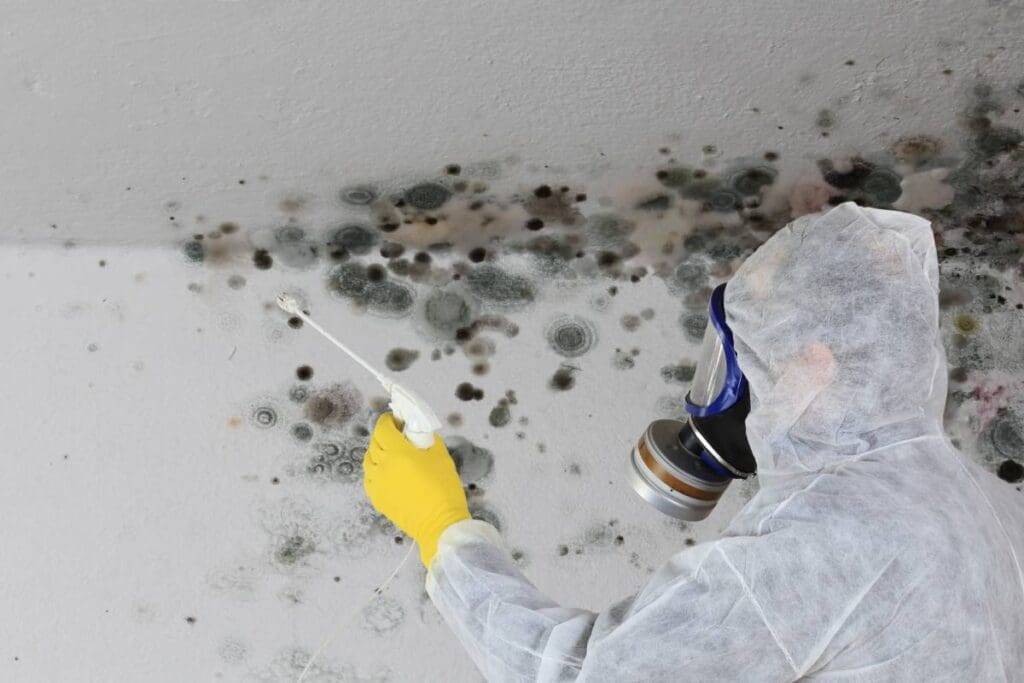
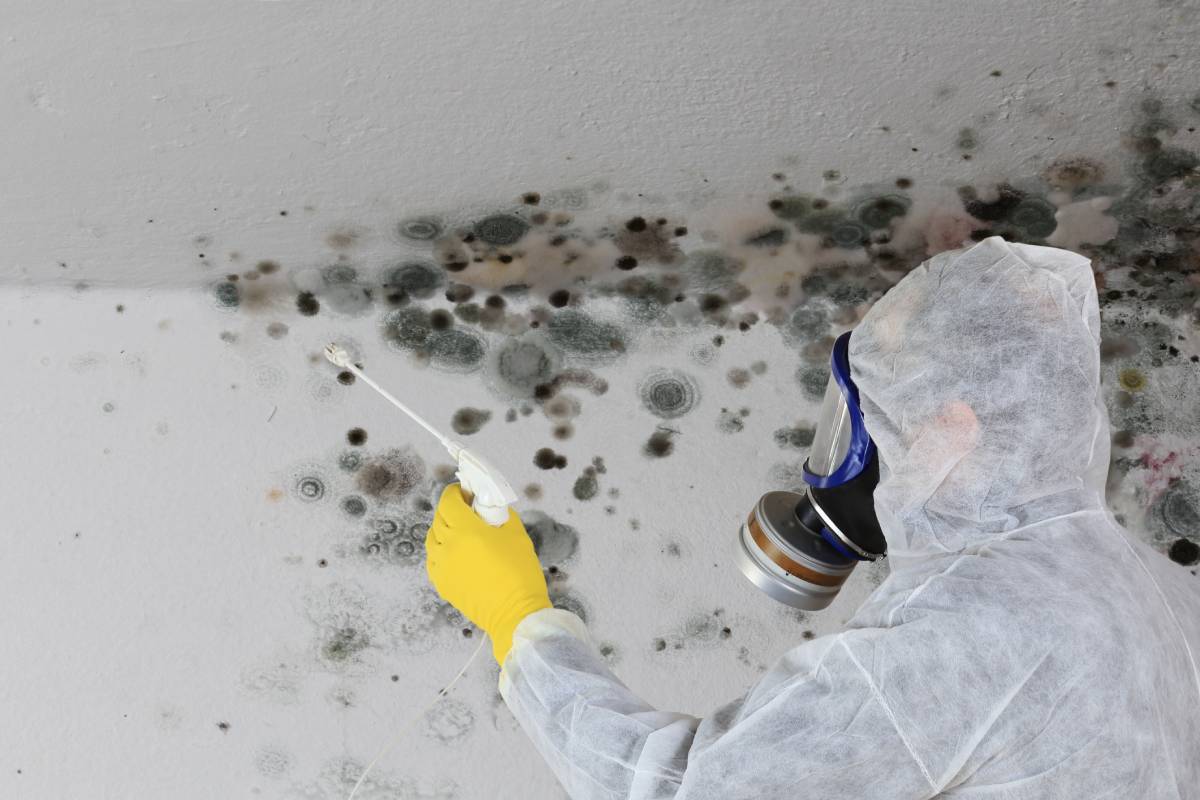
Where you have humidity, you probably also have mould.
Mould is a fungus that grows naturally anywhere with excess moisture. If left, it will spread, and it can lead to permanent damage as well as looking unsightly. Worse of all, it carries enormous risks to human and animal health.
Prevention is better than cure. Setting up a system to monitor humidity and temperature can ensure your environment is not at risk of mould. In this article, we will examine the science behind mould growth and explore the best ways to avoid mould by monitoring humidity and temperature.
What makes mould grow?
1. Humidity
Mould loves places with excess moisture, so humidity is key to preventing mould growth.
The World Health Organisation (WHO) conducted a study to show that high humidity levels create a damp environment where mould spores bloom. They also linked this to increased health problems.
They showed that low levels of humidity inhibit mould growth.
2. Temperature
Warm temperatures and inadequate ventilation are vital concerns regarding the risk of mould.
It has also been shown that failure to monitor temperature changes can lead to condensation, which increases moisture levels and creates the perfect environment for mould spores to grow.
Monitoring temperature is crucial for identifying the areas in a building that are at risk.
How to Prevent Mould Growth
Avoid Humidity – Mould loves damp conditions, often caused by humidity. Ensure areas are kept dry by cleaning up excess moisture and fixing leaks.
Maintain a Consistent Temperature – When the temperature fluctuates, you are more likely to experience condensation, which creates moisture and the perfect environment for mould.
Ventilation – Opening doors and windows or using vents or fans can help dry out damp areas and prevent mould.
Regular Cleaning – Regular cleaning and maintenance can ensure mould is removed promptly and spillages or leaks are dealt with promptly. Mould fungus is more likely to thrive where areas are neglected.
Humidity and Temperature Monitoring – Continuous monitoring ensures you are alerted early when your environment is at risk of mould growth. This allows you to act quickly before the mould spreads.
What are the benefits of monitoring humidity and temperature?
Setting up a system for monitoring temperature and humidity means you can take steps to prevent mould growth.
A continuous monitoring system allows you to quickly react to changes in conditions that might encourage mould growth, thus preventing spread.
Benefits of a monitoring system for temperature and humidity
- Reduce Costs – Acting promptly to avoid mould growth avoids the costs associated with removing mould once it has taken hold.
- Easier to Control – Monitoring allows you to detect the signs of mould growth quickly and take preventative action. This saves the time and trouble associated with mould removal. It can avoid stoppages in production and prevent wastage.
- Avoiding Damage – Monitoring stops mould from taking hold and spreading through a building. Left alone, mould can cause considerable damage to walls, floors, ceilings, and goods being stored. It can save you from incurring extensive repair costs.
- Health Protection – Mould is a hazardous substance regulated by The Control of Substances Hazardous to Health Regulations 2002. Mould is responsible for many serious health conditions, including allergies, respiratory infections and severe asthma. Being proactive can ensure people live or work in a healthier environment.
- Energy Efficiency – A by-product of a quality monitoring system is that you will identify areas with poorly regulated temperatures, allowing you to reduce energy wastage and costs.
According to a report by the Indoor Air Quality Association (IAQA), proactive monitoring and control of humidity and temperature can reduce the risk of mould growth by up to 80%.
How to monitor humidity and temperature
There are several possible monitoring solutions.
Hygrometers measure humidity levels in the air. They include digital hygrometers, psychrometers, and data loggers. Some provide continuous monitoring, while others give a real-time reading when needed.
Thermostats can include temperature sensors for remote monitoring and control of indoor temperature levels. They provide awareness of temperature patterns and fluctuations.
Integrated building automation systems provide a combined monitoring solution with multiple sensors to measure several factors, including temperature and humidity. While they cost more, they offer a comprehensive solution for continuous monitoring and mould control.
At Omni Sensors and Transmitters, we stock a wide variety of monitoring systems and sensors suitable for various settings.
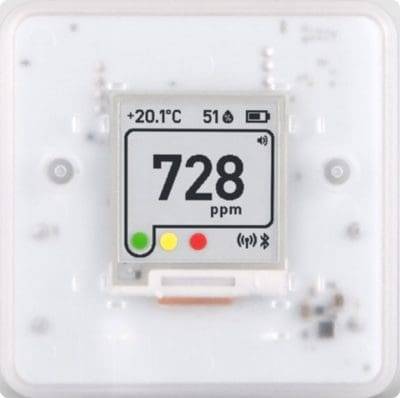
One example is the Aranet4 HOME. This indoor monitor measures carbon dioxide (CO2), humidity, temperature, and atmospheric pressure. A traffic light system alerts you to the safety levels of the air quality, and the user can set individual parameters.