A look into two different but connected growing systems that both rely on precision environments for success.
Vertical farms grow crops indoors in stacked layers and rely on precise control of temperature, humidity, and carbon dioxide (CO₂) to create the perfect growing environment. Similarly, growers of biological control organisms rear beneficial insects in controlled chambers, called insectaries, where the same conditions must also be carefully managed. These insects are later released to protect high-value crops such as greenhouse vegetables, fruits, and ornamentals, where chemical residues or pest damage would be costly.
Why are these growing parameters of importance?
Temperature is fundamental to plant health. Crops grow best within a certain range, too cold and growth slows, too hot and plants can become stressed or die. Keeping temperature steady ensures strong, consistent growth and good yields. Insects depend on it too, as they are cold-blooded; if conditions are too cold, they develop slowly, and if too hot they grow weak or die. For both crops and insects, the right temperature means faster, healthier development.
Humidity directly affects how plants use water. If the air is too dry, plants lose moisture quickly and wilt; if it is too humid, diseases like mildew and mould can spread. Controlled humidity keeps plants strong and reduces the need for chemical treatments. Insects face similar risks: tiny species like mites and parasitoids dry out easily, but too much moisture can cause harmful bacterial or fungal growth. A stable humidity level helps both plants and insects thrive.
Carbon dioxide (CO₂) is a key ingredient for photosynthesis, the process that turns sunlight into energy-rich sugars, without CO₂, plants cannot make food, growth stops, and they eventually die. In vertical farms, plants can grow faster and produce more when they have extra carbon dioxide (CO₂). While the air we breathe has about 400 ppm of CO₂, many crops benefit when levels are increased to around 800–1,200 ppm. This “boost” helps plants photosynthesise more efficiently. Raising levels even higher does not help, and can sometimes stress the plants, so keeping CO₂ in the right range is key to healthy, high-yield crops. With Insects, however, the situation reverses, CO₂ levels need to be kept in check – too high a concentration inside closed chambers, causes insects to become stressed or even die. Managing airflow and gas exchange is essential.
Why monitoring matters
Both vertical farms and insectaries depend on tight control of temperature, humidity, and CO₂. For plants, this ensures fast growth, disease prevention, and higher yields year-round. For beneficial insects, it keeps colonies healthy, prevents stress, and supports reliable reproduction. The challenge is finding monitoring systems that are robust, flexible, and easy to manage, especially when scaling up.
Omni Sensors and Transmitters offer the Aranet IP67 wireless Sensor Range and E+E precision performance sensors. Together, they cover both the practical and technical requirements of modern controlled-environment agriculture.
Aranet Ecosystem Features:
Rugged and reliable: With IP67 protection, Aranet sensors (Pro Station, CO₂ + Temp, T/RH, and remote probe options) are dustproof and waterproof, meaning they can withstand humid growing rooms, misting systems, and cleaning routines common in both farms and insectaries.
Flexible installation: The wireless design and compact size make these sensors easy to place exactly where they are needed – whether that is between stacked crop layers in a vertical farm or inside an insect rearing chamber. Insectaries, in particular, present tough conditions with high humidity, regular disinfectant use, and gases such as ammonia released from insects, their food, and waste. These factors can damage sensitive electronics or cause sensor drift. A remote probe solves this by protecting the main sensor body while still allowing precise monitoring. The probe can be mounted directly at insect level for greater accuracy and responsiveness, and because it is separate, it can be quickly cleaned, recalibrated, or replaced if it becomes contaminated or stops functioning.
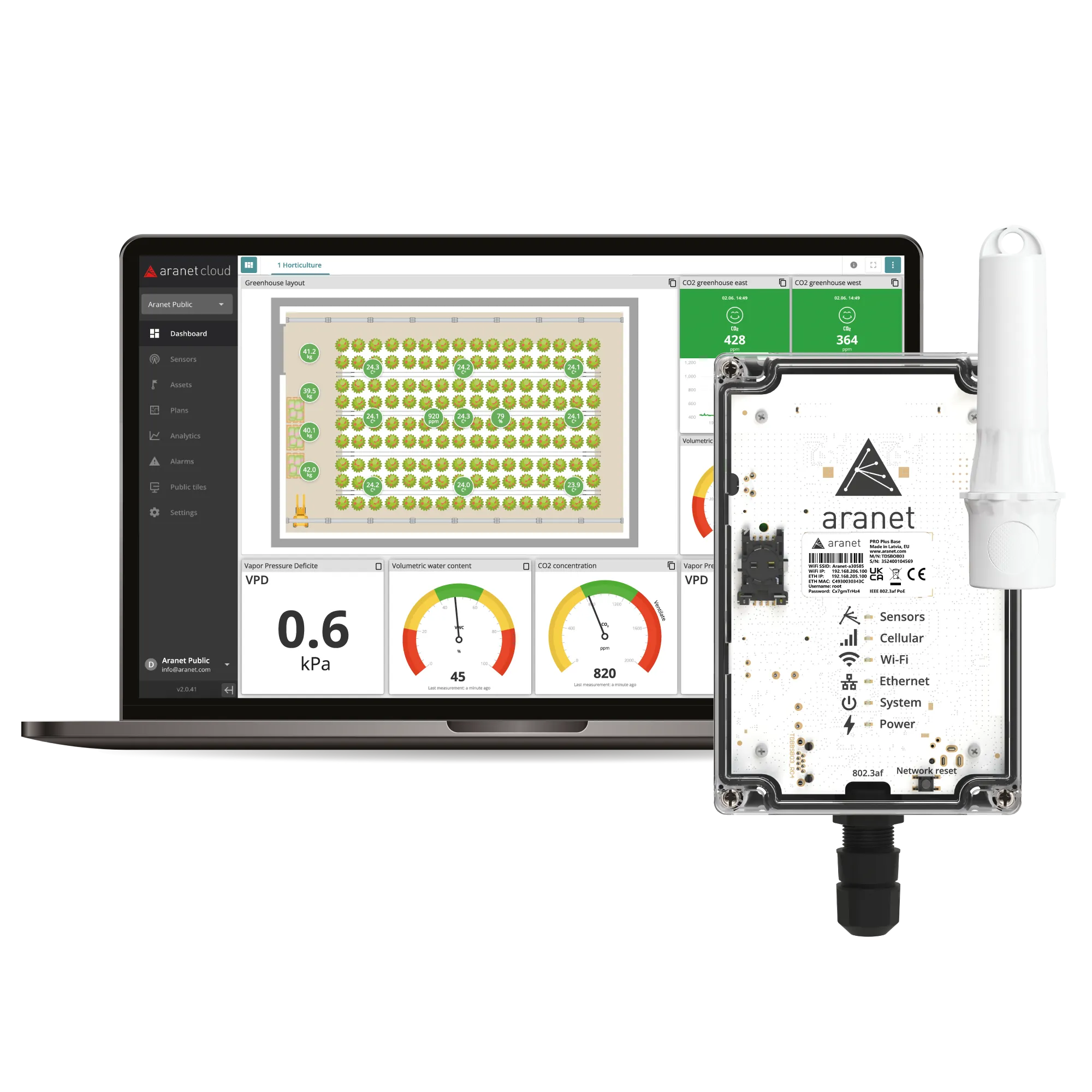
Data logging and reporting: The Aranet Pro base station collects and stores data from multiple sensors, offering real-time monitoring, trend analysis, and alerts. For growers, this means clear insights into environmental conditions, helping prevent issues before they impact crops or insects.
E+E Temperature, Humidity, and CO₂ Sensor Features:
Precision performance: E+E sensors are known for high accuracy and stability, which is critical when small changes in CO₂ or humidity can make a big difference to plant photosynthesis or insect survival.
Integration ready: They can easily connect to building automation or climate control systems, making them ideal for operations that want seamless environmental management rather than standalone monitoring.
How Aranet and E+E meet the needs of Plant and Insect Growers
For vertical farms, the priority is boosting plant growth and yield. Aranet’s wireless, easy-to-move sensors give flexibility in a dynamic, modular growing setup, while E+E’s precision CO₂ and humidity sensors support fine-tuned climate control for photosynthesis and disease prevention.
For insectaries, the focus is reliability and resilience. Aranet’s IP67-rated design together with its remote probes handle the demanding, humid environment of insect rearing.
The products:
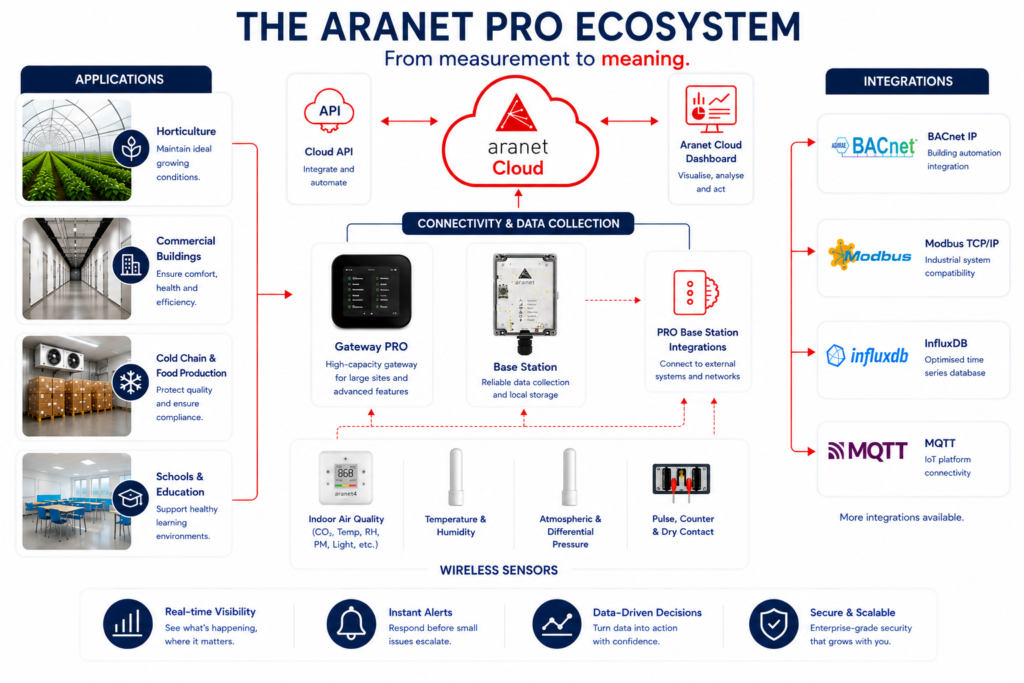
the Aranet ecosystem comprises:
1. A base station which collects and manages data from up to 100 Aranet sensors.
2. A wide range of compact, battery-powered sensors that measure key environmental parameters: Temperature (T) sensors, Relative Humidity (RH) sensors, CO₂ + Temperature sensors, T/RH remote probe sensors, Light, soil moisture, and pressure sensors (depending on grower needs). All sensors use Aranet’s proprietary long-range wireless protocol, with a range of up to 3 km line-of-sight.
3. Data Access Interfaces: Customisable web dashboards for visualisation and reporting, a mobile app for on-site set-up, monitoring and alerts and the Aranet Cloud for remote access, storage and analytics.
With the additional options:
1. Integration Interfaces, Communication modules, that allow the system to connect with climate control systems, HVAC, and building automation for real-time adjustments via Ethernet, Modbus, BACnet, or TCP/IP
2. Aranet IP 67 4-20 mA transmitter is an 85-265VAC powered, energy-efficient solution designed to integrate with any third-party sensor that has 4-20mA output.
3. The Aranet IP 67 0-10 VDC transmitter measures analog signals and provides power for third-party sensors. A 12VDC built-in power supply fuels third-party sensors for radio transmission. This energy-efficient solution is designed to integrate with any third-party sensor that uses 32…+32VDC signal as an output.
Recommended Aranet hardware:
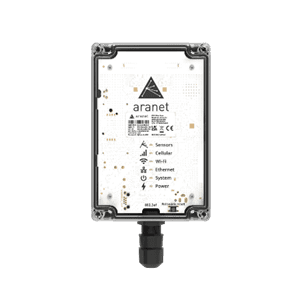
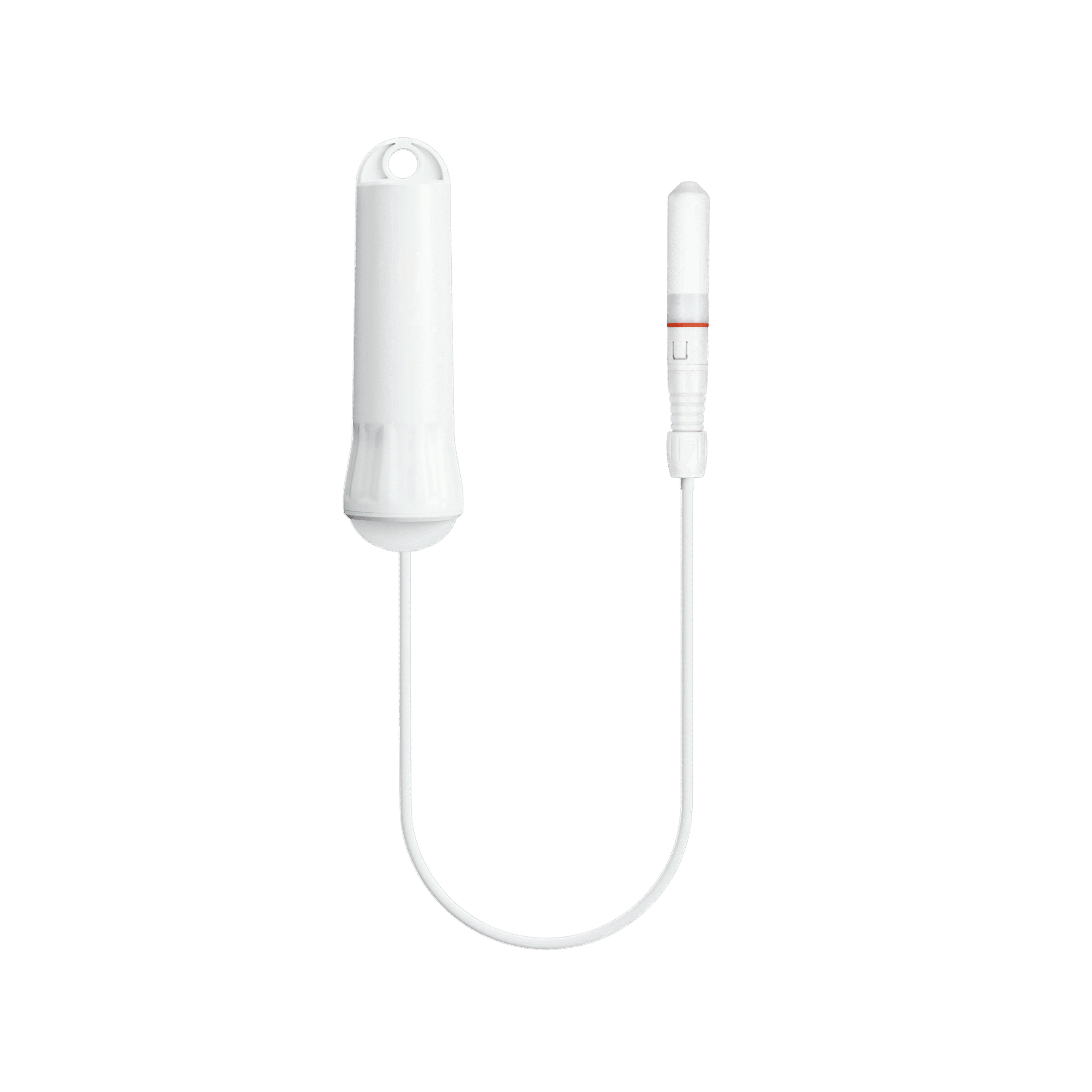
Aranet IP67 Pro Plus Base-station)……………………TDSBOA03
Aranet IP67 CO2 Temperature Sensor……………….TDSPC005
Aranet IP67 T/RH Sensor………………………………….TDSPT802
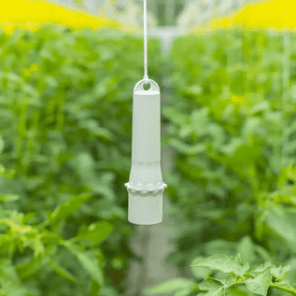
Aranet IP67 T/RH Remote Probe Sensor……………TDSPT809
The Aranet ecosystem gives vertical farmers and insect growers a powerful, flexible way to monitor and manage their environments. Its wireless sensors connect seamlessly to the Aranet Pro Base Station, eliminating the need for complex wiring and making installation easy across stacked crop layers or multiple insect rearing chambers. With support for Modbus, BACnet, and TCP/IP, the system integrates smoothly into existing climate control and building automation setups, while one base station can handle up to 100 sensors, offering scalability from small pilot operations to full-scale production.
For growers, data access is just as important as installation. The Aranet platform delivers real-time monitoring of temperature, humidity, CO₂, and more, with information available through the Aranet Cloud and mobile app, making it simple to check conditions from anywhere. Custom alerts can be set when conditions drift outside the ideal range, helping farmers respond quickly to issues like a sudden humidity spike in an insectary or a drop in CO₂ in a vertical farm. Historical data logging and reporting provide valuable insights into trends, enabling growers to fine-tune strategies, improve efficiency, and meet compliance standards.
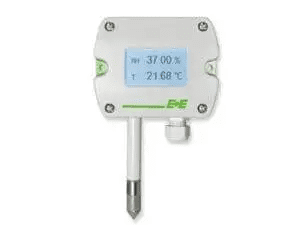
E+E humidity and CO2 sensors
For optimal RH% accuracy; ±1.3 to 1.5% RH the following E+E sensors and probes are available:
EE212 temperature and humidity sensor with interchangeable sensing module. Note this does not have a remote probe but it has an analogue output compatible with the Aranet analogue transmitter in addition to a modbus option
HTP201 temperature and humidity probe, this is compatible with the Aranet analogue transmitter but has no digital output.
EE211 continuous high humidity and temperature sensor. This has a swappable remote temperature probe but the %RH probe plugs directly into the electronics unit. Having analogue or digital output options, it is compatible with the Aranet ecosystem.
EE072 humidity and temperature probe with digital interface. This is not compatible with the Aranet ecosystem.
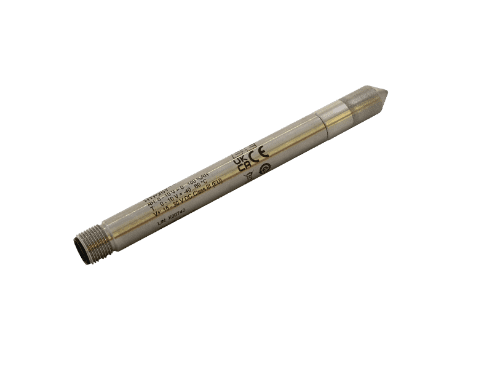
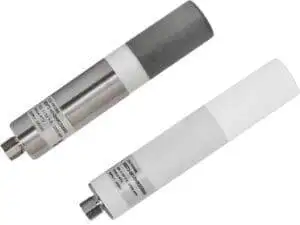
For stable dual-channel NDIR CO2 measurement the following sensors are available:
EE872 “4 in 1” CO2, RH%, temperature and ambient pressure measurement probe. This has the option of digital or analogue output so is compatible with the Aranet ecosystem.
EE820 sensor has analogue outputs so is compatible with the Aranet Ecosystem. Note that the sensor is IP54 rated and isn’t suited to the Insectary environment.
Contact Omni Sensors and Transmitters for assistance with configuring an Aranet ecosystem, selecting the best sensor for your application and pricing information.