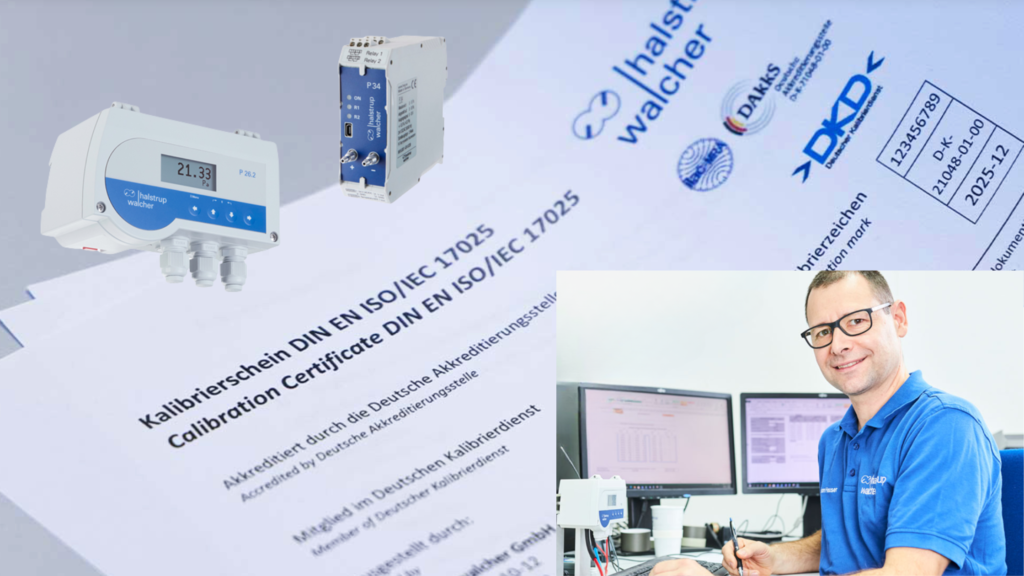
Industrial pressure transmitters are used to measure pressure in a huge variety of applications and using a range of methods.
Measuring pressure can aid in the maintenance of healthy equipment and ensure the proper conducting of processes.
Types of Pressure
When discussing pressure and pressure transmitters, it’s important to remember that there is more than one form of measurable pressure:
- Absolute pressure – the combination of atmospheric pressure and measured pressure
- Gauge pressure – the difference between absolute pressure and atmospheric pressure
- Differential pressure – the difference between any two measured pressures
Differential Pressure Sensors
Differential pressure sensors take a variety of shapes and sizes and utilise varying methods, however, one of the most commonly utilised are those fitted with a diaphragm.
These are relatively simple yet reliable devices, and are constructed of three primary components:
- Direct pressure sensing element – As mentioned, most direct pressure sensors are fitted with a diaphragm as a pressure sensing element. Placed between the two direct pressure inlet ports, the diaphragm is deflected in one direction or another by pressure. This deflection is then converted into an electrical signal
- Electronic unit – This is where the electrical signal is amplified for transmission
- Current transmitter – The current is transmitted out of the unit, often in the form of a pulse with a data code superimposed onto it
Other units vary in construction and can detect much smaller and faster fluctuations in pressure. Some operate via the completion or breaking of a circuit, while others measure variations in vibrations to monitor pressure changes at a sub-micron level.
Different Types of Sensors and Applications
There is a variety of pressure transmitters available, all suited to different applications and industries.
Types of industrial transmitters:
- Stain gauge
- Fibre optic
- Mechanical deflection
- Semiconductor piezoresistive
- Microelectromechanical systems
- Vibrating elements
- Variable capacitance
In a broad sense, these industrial sensors can be used for three core applications:
- Pressure sensing
- Flow sensing
- Altitude sensing
At Omni Sensors & Transmitters, we supply a huge variety of industrial pressure sensors for an unrivalled range of applications.
To learn more, browse our online store here, or contact us today.