Methane, though often overshadowed by carbon dioxide in climate discussions, plays a significant role in global warming and air pollution. Methane emissions have risen sharply due to human activities, particularly in agriculture and the natural gas industry, posing a critical threat to climate goals.
Recent technological innovations and policy changes, especially the landmark legislation unveiled by the EU at COP28, target methane monitoring and reduction, signalling the increasing importance of controlling this potent greenhouse gas.
Why is Methane Dangerous to the Environment?
While methane is less abundant than carbon dioxide in the atmosphere, it is far more effective at trapping heat. Over a 20-year period, methane is 84 times more potent than CO2 in contributing to global warming. Methane, the primary component of natural gas, leaks during production, transport, and usage, adding to its environmental toll. The energy sector is not the only source, though—agriculture, particularly cattle farming, landfills, and rice paddies, contributes significantly.
The urgency to control methane emissions lies in its rapid degradation compared to carbon dioxide, which can remain in the atmosphere for centuries. Methane lasts around a decade, meaning aggressive action could yield relatively quick climate benefits.
In fact, reducing methane emissions is seen as one of the fastest ways to slow down global warming.
The COP28 Legislation: A Groundbreaking Step
At the recent COP28 summit, the EU introduced a monumental piece of legislation to curb methane emissions.
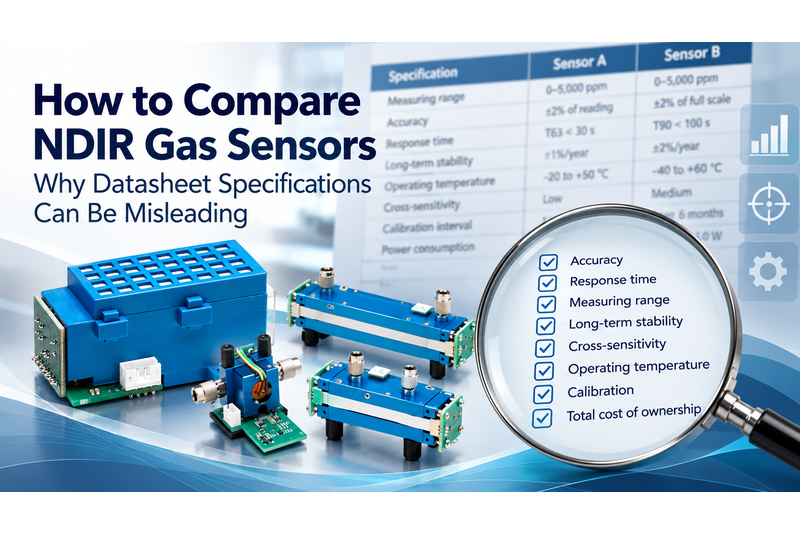
This law requires industries to adopt strict monitoring protocols and utilize advanced technologies, such as Non-Dispersive Infrared (NDIR) sensors, to detect and report methane leaks. Key to this legislation is the promotion of innovative technologies, with stringent reporting requirements and mandatory reduction targets.
Methane monitoring has faced many challenges, from technological limitations to regulatory inconsistencies. However, the new EU law emphasizes international cooperation, calling for uniform standards and helping developing countries implement methane reduction strategies.
If successful, these efforts could have a transformative impact on global climate targets.
Monitoring and Reducing Methane Emissions: A Technological Leap
Monitoring methane emissions presents several challenges, primarily due to the gas’s low concentration and variability across different sources. From cattle to oil wells, methane leaks can come from a wide variety of places.
Advanced technologies like NDIR sensors are playing a crucial role in accurately detecting even the smallest methane leaks. Satellite technology also provides a broader view, capturing methane emissions over large areas and identifying leaks in hard-to-reach regions, such as oceans and forests.
These innovations, combined with legislative frameworks, are crucial in filling the gaps in methane data collection, a necessity given that official methane emissions in some regions, like the U.S., are as much as 60% higher than previously estimated.
SmartGAS: Leading the Way in Methane Detection
smartGAS, a leading manufacturer of NDIR sensors, is pioneering efforts to address methane emissions. These state-of-the-art sensors can detect methane in various industrial and environmental contexts, from oil and gas pipelines to agricultural processes. With their high sensitivity, they offer precise, real-time data, allowing for the early detection and rapid response to methane leaks, reducing the risk of environmental harm.
Moreover, these sensors contribute to better process monitoring and optimisation in industries like agriculture and energy, ensuring that operations are both efficient and environmentally friendly.
The continuous monitoring of methane concentrations can help prevent leaks and unnecessary emissions, enhancing both environmental sustainability and operational efficiency.
Nevadanano: Providing a network of MPSTM methane leak detection sensors to monitor 24/7/365
Nevadanano MethaneTrack™ offers a cost-effective network of robust monitoring points to accurately measure methane emissions. In addition to measuring emissions, it utilises cloud-based software to report any leak locations and emission rates to operators, enabling a prioritised response to meet emission reduction goals and comply with regulatory requirements.
Figaro: Supplying low cost, low power consumption, rapid response metal oxide sensors for use within portable methane leak detectors
Figaro offers a selection of filtered and non filtered compact metal oxide sensors sensitive to methane.
How Methane Compares to Carbon Dioxide in Climate Change
While both methane and carbon dioxide are potent greenhouse gases, they differ significantly in their behaviour and impact. Carbon dioxide, the most abundant greenhouse gas, remains in the atmosphere for hundreds of years, contributing to long-term global warming.
In contrast, methane’s short lifespan offers an opportunity for quicker climate benefits if its emissions are reduced. However, its potency over shorter timescales makes it a significant target for climate action.
The new EU legislation focuses on both short-term and long-term climate goals. By addressing methane now, global warming rates can be reduced in the near future while carbon dioxide strategies continue to tackle the longer-term climate crisis.
Overcoming Barriers to Methane Monitoring
Technological and financial challenges have historically impeded methane monitoring, but advancements in sensor technology and satellite data collection are addressing these obstacles.
Smart sensors are easier to install and more cost-effective than ever, enabling broader adoption. These sensors provide real-time data on methane leaks, empowering industries to act quickly and avoid potential environmental and financial costs.
Financial incentives and regulatory frameworks, such as the one introduced by the EU, are critical to ensuring industries adopt these advanced technologies.
As methane reduction becomes a regulatory requirement, industries will need to invest in methane monitoring solutions, driving technological innovation and competition in the field.
Conclusion: The Road Ahead for Methane Reduction
Reducing methane emissions is a critical step in mitigating climate change. The new EU legislation unveiled at COP28, combined with advanced methane detection technologies, marks a turning point in global efforts to address this potent greenhouse gas.
Companies like smartGAS are leading the way with cutting-edge NDIR sensor technologies, providing industries with the tools they need to monitor and reduce methane emissions effectively.
As international cooperation and innovation increase, the goal of significantly reducing methane emissions—and thus slowing global warming—appears more attainable than ever. The future of climate change mitigation will depend on swift, effective action, and controlling methane is a crucial part of that effort.
For further information on any of the sensors within the SmartGAS, Nevadanano or Figaro range, please contact OmniSensors and Transmitters on the Contact Page.