
Fresh, clean air is vital for maintaining good health. However, inside, it is not long before the air gets stale.
The air grows stale when carbon dioxide (CO2) builds up as people breathe. As CO2 concentration rises, there is a greater likelihood of pathogens. According to a study by the Air Infiltration and Ventilation Centre, CO2 levels are a good indicator of overall air quality.
High levels of CO2 cause dizziness, headaches and tiredness.
The easiest way to reduce CO2 concentration is to let in fresh air. Usually, we would ventilate a room by opening the windows, but what if that is impossible? You may need to keep windows shut because of the risk of pollution, or it may simply be too cold outside.
In this article, we will suggest ways to improve air quality with your windows closed.
10 Ways to Improve Indoor Air Quality (IAQ) With Closed Windows
If you cannot open your windows, alternative ways of ventilating a room or improving IAQ exist. Here are some simple ideas to help you maintain good indoor air quality.
- Open internal doors – Opening doors between rooms allows the air to circulate freely. This will lower the concentration of CO2 and ensure that fresh air is distributed evenly across the building.
- Install an Extractor Fan – Extractor fans remove pollutants and moisture from kitchens and bathrooms. In kitchens, a vented cooker hood will be the most efficient way of removing steam and fumes. A wall-mounted extractor fan in a bathroom will remove moisture and improve condensation and mould.
- Use an air purifier – An air purifier will help to ensure the air is clean. It works using filters such as HEPA, carbon, or UV-C light. It will reduce pollutants such as allergens, dust particles and smoke.
- Regular HVAC Maintenance – Heating, ventilation and air conditioning will become contaminated with mould and bacteria if not regularly maintained. These pollutants will then be spread across the building via the vents, causing potential health problems. Performance should be supported with regular servicing, cleaning and changing of filters.
- Cleaning Programme – Removing dust with a damp cloth is the best way to ensure that contaminants do not build up on surfaces. Hard floors should be regularly mopped to remove dirt and pollutants. Carpets must be vacuumed with a hoover or vacuum that uses a HEPA filter. Avoid harsh chemicals as these contain pollutants which may contribute to poor air quality. Water, vinegar, baking soda and lemon make ideal natural alternatives.
- Doormats – A good quality doormat will trap dirt and pollutants as people enter the building. You can place further doormats at the entrance to different building areas. Ensure that doormats are cleaned regularly to remove contaminants.
- Control Humidity – Poor humidity control leads to mould growth, which can cause significant health problems. You can use dehumidifiers in areas where humidity is unable to be controlled. Ideally, humidity should be kept to below 50%.
- No Smoking – Due to government legislation, most commercial premises do not allow smoking indoors. However, there has been a growth in the use of vapes, which are more likely to be tolerated indoors. It is unclear how these will affect air quality as there has not been enough research, but it is advisable to ban vaping indoors to ensure IAQ is maintained at an optimum level.
- Deal with Pet Fur – Many pets, like dogs and cats, shed hair, fur or dander, contaminating the air. Be prepared to clean more often to remove all traces, and use a HEPA filter on vacuums, hoovers and air purifiers to reduce the chance of allergens.
- But some Houseplants – A NASA study showed that houseplants improve indoor air quality by releasing oxygen and removing harmful pollutants. They may not be as effective as an air purifier, but they are an excellent natural alternative. Spider plants and peace lilies are particularly beneficial for air purification.
How can I monitor indoor air quality?
Once you have taken on board all of the recommended steps to improve your air quality, you may wish to check your progress. We recommend monitoring your CO2 levels to ensure optimum indoor air quality (IAQ).
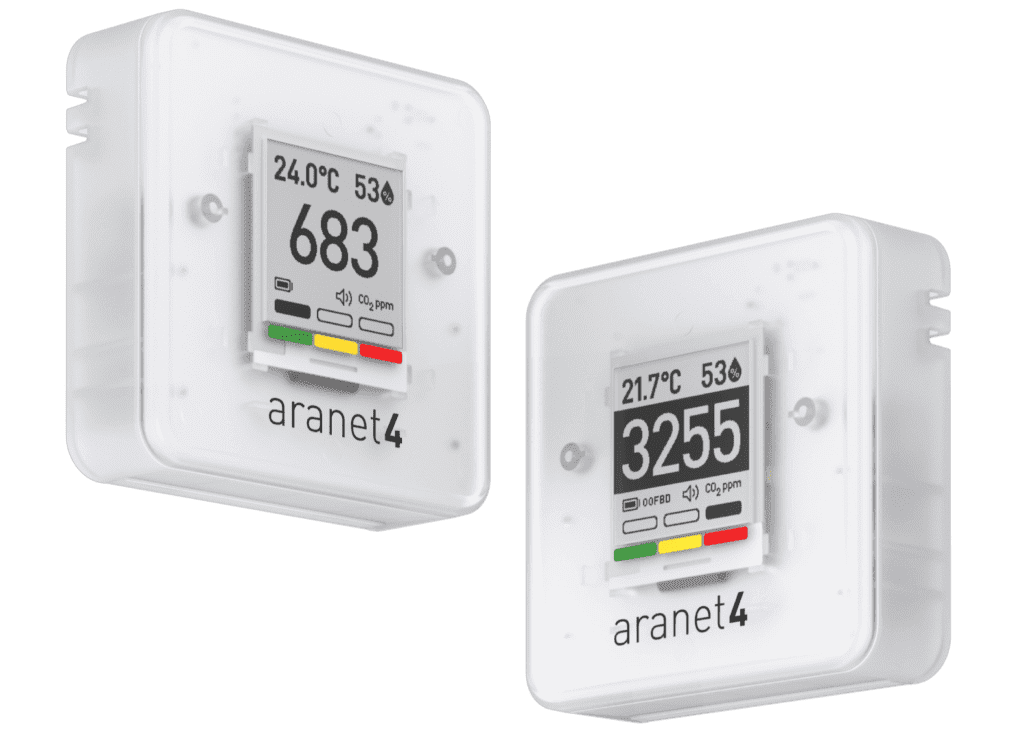
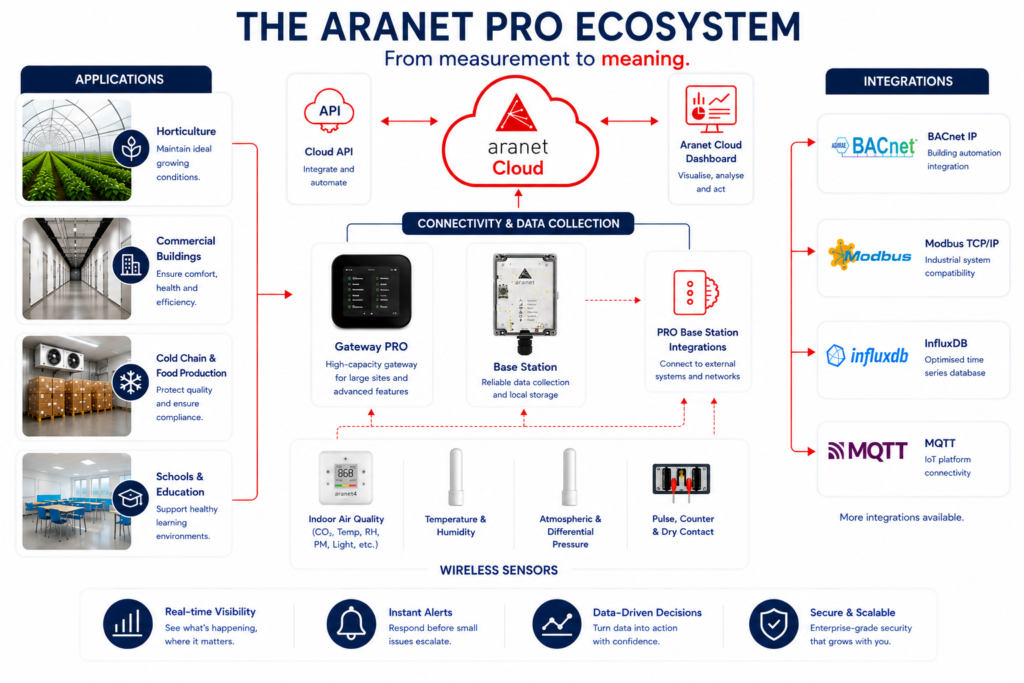
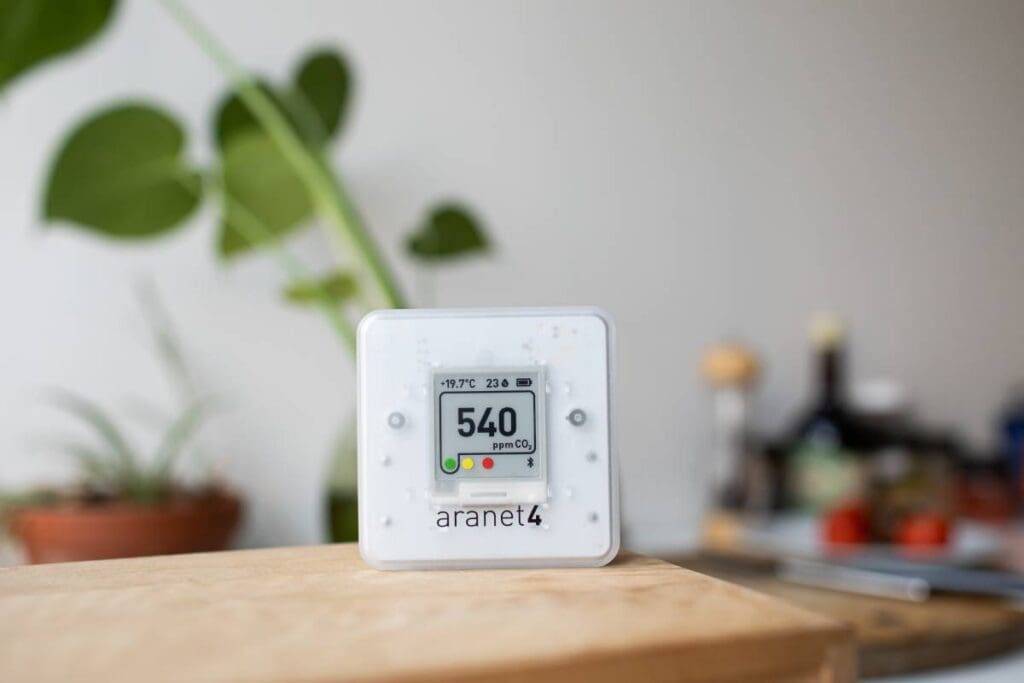
At Omni Sensors and Transmitters, we supply a wide range of monitors, such as the Aranet 4, which monitors CO2, temperature, relative humidity and atmospheric pressure in any indoor setting. It is a portable sensor that indicates the quality of the air via an easy-to-read traffic light system.