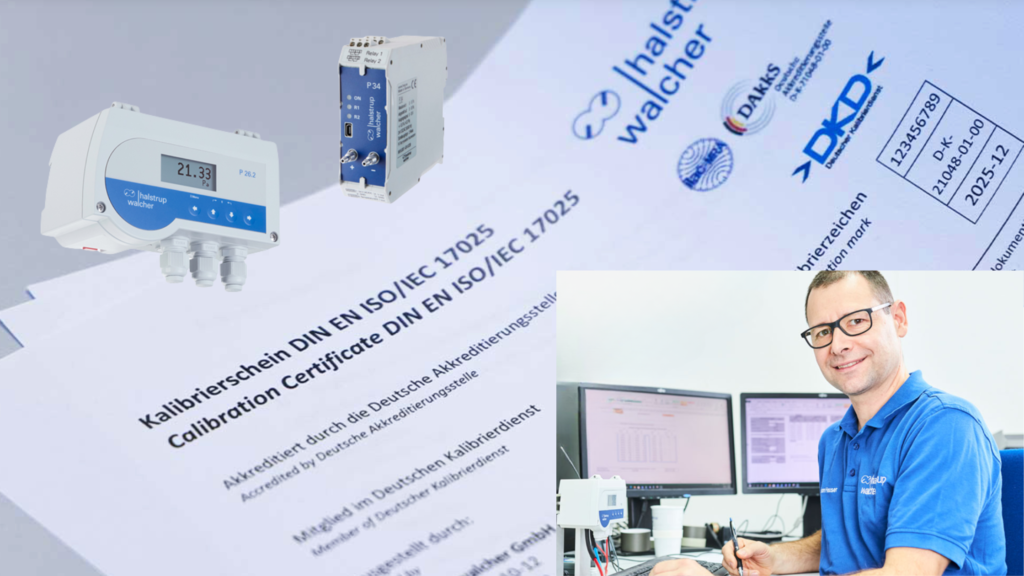
Pressure sensors are used to measure the pressure of gases or liquids. There are thousands of different applications for pressure transmitters and sensors.
A pressure sensor works by generating an electrical signal in reaction to pressure being imposed and can offer a range of outputs including analogue signals. Switching/alarm outputs and a range of digital outputs

What is Pressure?
The definition of “pressure” is the force of a liquid or gas applied to a surface measured in units of force per surface area. PSI (Pounds per square inch), PA (Pascal), and Bars are all commonly used units of measurement for pressure.
Pressure sensors therefore use a pressure sensitive element to calculate the pressure applied to it, and then converts it to information to output.
Types of Pressure
The three main types of pressure are related – Absolute pressure, atmospheric pressure and differential pressure.
Absolute pressure simply refers to pressure in relation to an air-free vacuum.
Atmospheric pressure refers directly to our planet and is created by the weight of the atmosphere that surrounds us.
Differential pressure simply refers to the difference between two separate pressures.

Types of Pressure
Monitoring pressure is essential in a variety of contexts including but not restricted to:
- Cleanrooms
- Laboratories
- Pharmaceutical Plants
- Operating Theatres
- Machine and Plant Construction
- OEM
- Air Conditioning
- Automotive
- Industrial Use – Gauges and Vacuums
- Construction
- Agriculture
- HVAC systems

Applications
Monitoring pressure is essential in a variety of contexts including but not restricted to:
- Cleanrooms
- Laboratories
- Pharmaceutical Plants
- Operating Theatres
- Machine and Plant Construction
- OEM
- Air Conditioning
- Automotive
- Industrial Use – Gauges and Vacuums
- Construction
- Agriculture
- HVAC systems
In a cleanroom environment, overpressure must be maintained in order to protect the interior from potentially contaminated air.
Conversely in extraction areas, such as paint booths and fume cabinets, maintaining an underpressure ensures that no potentially harmful chemicals or particulates can escape into other areas.
Choosing the Right Pressure Sensor
For something relatively straightforward, there are a considerable number of different solutions for pressure sensing. At Omni Sensors & Transmitters, we prioritise the transparency of information with our customers above all.
This means that we recommend our sensors based on what we believe our customers genuinely require. If a sensor is too low a specification to handle a job we will inform you, equally, if the specification is too high for the application we will inform you.
If you need a pressure sensing solution, feel free to contact us.